
Time limit: 20 minutes (reading + writing)
Topic: The Construction of the Umayyad Mosque
- Reading Passage (You have 3 minutes to read this:
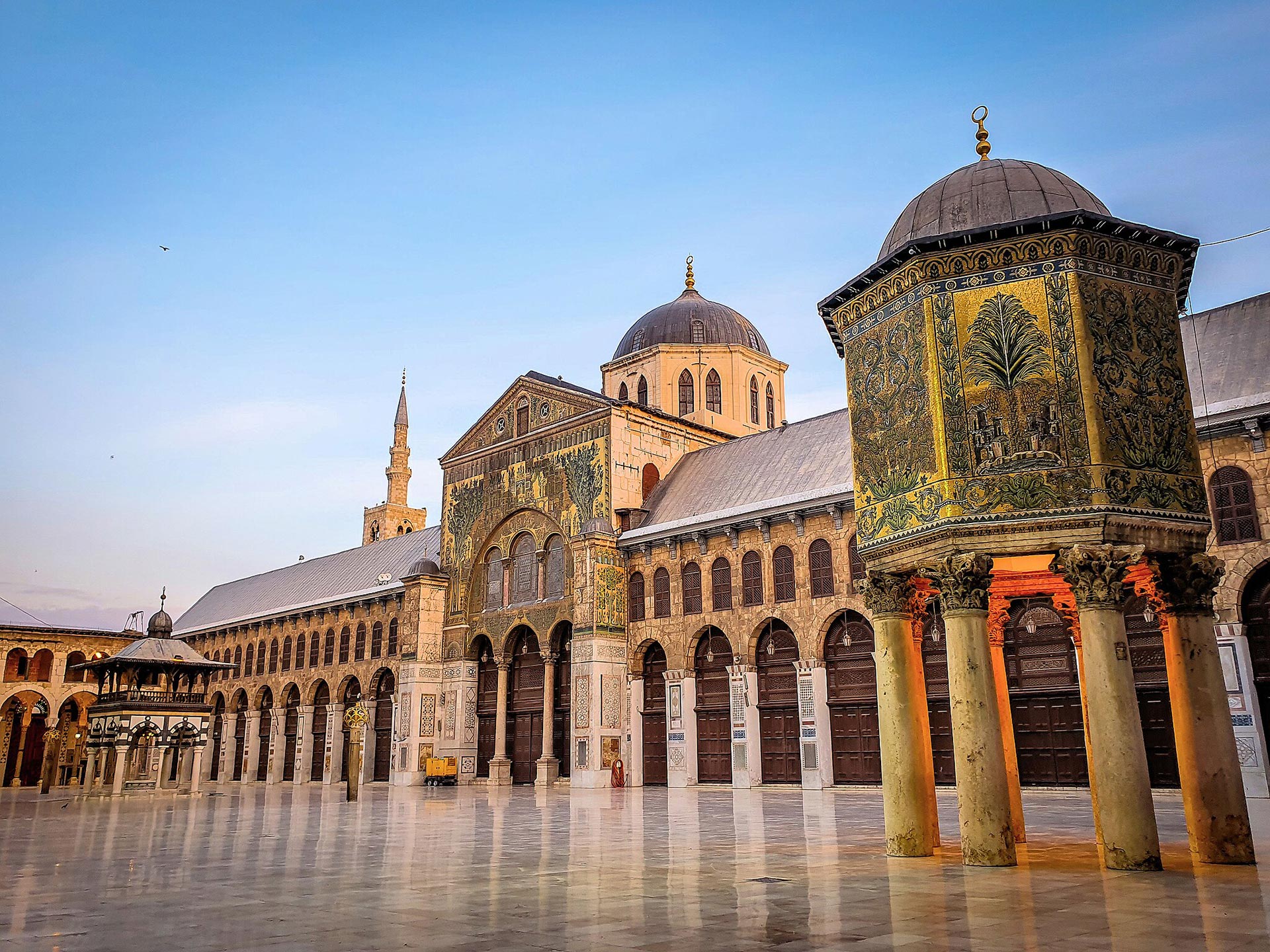
The Great Mosque of Damascus, also known as the Umayyad Mosque, is often cited as the first major work of Islamic architecture. Many historians argue that its construction in the early 8th century represented a complete break from the architectural traditions of the past. First, the layout of the mosque was entirely novel, designed specifically to accommodate the congregational prayer requirements of the new faith, unlike anything seen in Roman or Byzantine temples. Second, the decoration was purely Islamic, rejecting the figurative art of previous empires in favor of geometric patterns and calligraphy. Third, the construction materials and workforce were sourced exclusively from within the local Muslim community to ensure the sanctity of the building, making it a purely indigenous achievement.
- Lecture Script (Imagine listening to a professor:
“While the reading passage praises the Umayyad Mosque as a totally new invention, historical evidence suggests it was actually a massive project of adaptation and blending, not a complete break from the past.
First, regarding the layout: It wasn’t entirely new. The mosque was actually built inside the walls of an ancient Roman temple dedicated to Jupiter. The architects kept the outer walls and the corner towers of the old Roman precinct. So, the physical footprint was directly inherited from the Roman era, not invented from scratch.
Second, let’s look at the decoration. The famous mosaics on the walls are breathtaking, but they are technically Byzantine. The Caliph actually asked the Emperor of Byzantium to send skilled craftsmen and mosaicists to Damascus. The style of the trees and buildings in the mosaics is very similar to artwork found in Constantinople, not purely a new ‘Islamic’ invention at that time.
Finally, about the workforce: It wasn’t just local. Historical texts tell us that thousands of workers were gathered from all over, including Coptic artisans from Egypt and Greek workers from Byzantine lands. It was an international effort, utilizing the best skills available in the region, regardless of their origin.”
The Question:
“Summarize the points made in the lecture, being sure to explain how they cast doubt on the specific points made in the reading passage.”Task 2: Writing for an Academic Discussion