
Part A: Reading Passage (Time: 45 seconds)
First, read the short text, then listen (read the lecture text), then answer the question.
Topic: The Kingdom of Ugarit
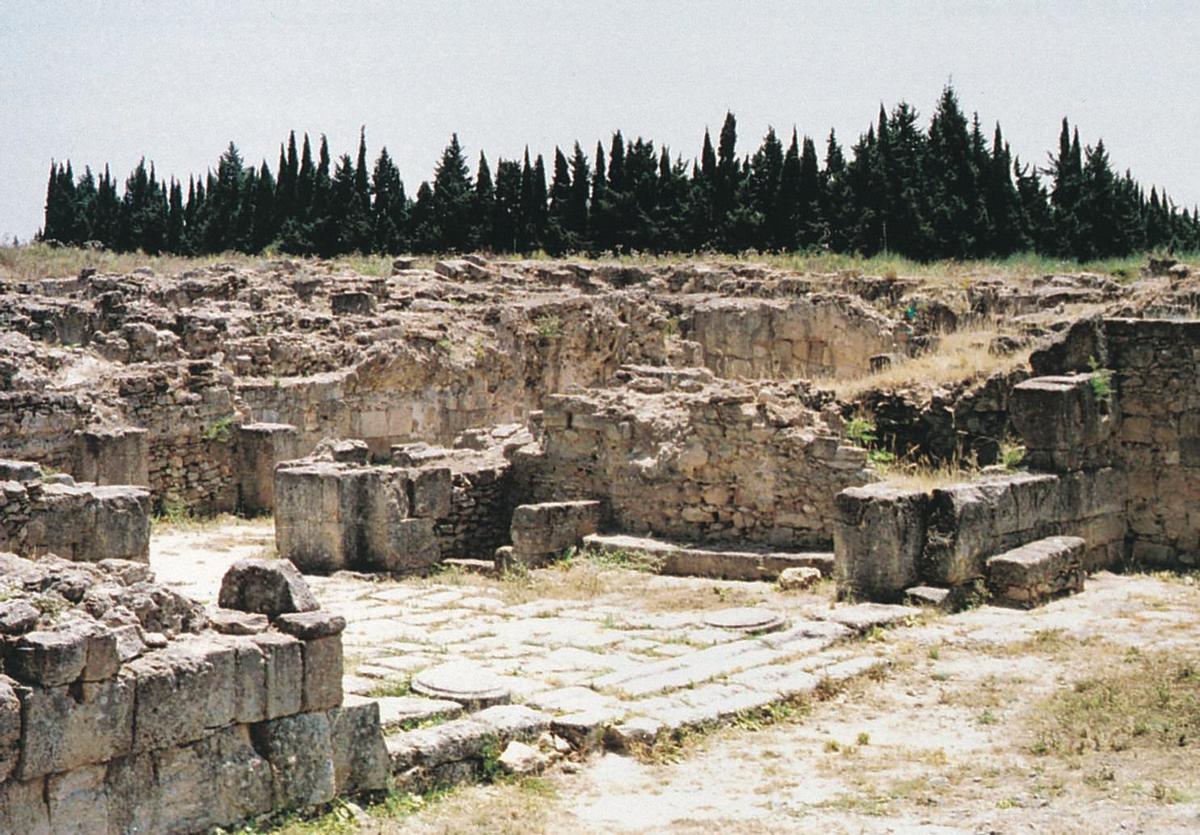
Located on the Mediterranean coast of modern-day Syria, the ancient city of Ugarit was a major commercial hub connecting the Hittite Empire, Egypt, and Cyprus. Excavations in the 20th century revealed a grand royal palace and temples. However, Ugarit’s most significant contribution to human history is not its architecture, but its scribal schools. Archaeologists discovered thousands of clay tablets that revealed a unique writing system, which scholars believe represents a pivotal moment in the evolution of written language.
Part B: Lecture Script (Time: 60 seconds)
“So, you’ve read about Ugarit being a trade hub. But let’s focus on those clay tablets found in the library.
Before Ugarit, writing systems like Egyptian hieroglyphs or Mesopotamian cuneiform were incredibly complex. They used hundreds, sometimes thousands, of symbols to represent words or syllables. It took years to learn them.
What the scribes at Ugarit did was revolutionary. They simplified writing. They created a script that used only 30 symbols. Yes, just 30! Each symbol represented a single sound, not a whole word. This was essentially the invention of the alphabet.
This shift meant that writing was no longer a secret skill for a tiny elite. It became accessible. This Ugaritic alphabet became the ancestor of the Phoenician alphabet, which later evolved into Greek, and eventually, the Latin alphabet we use today. So, in a way, every time you write in English, you owe a small debt to those scribes in ancient Syria.”
The Question:
“Using points and examples from the lecture, explain the significance of the writing system discovered at Ugarit and how it differed from previous systems.”
(You have 30 seconds to prepare and 60 seconds to speak).
Model Answer for Task 2 (Synthesis):
“The reading passage introduces Ugarit as an important trade center famous for its texts. The lecturer elaborates on this by explaining that the writing system found there was revolutionary because it invented the alphabet.
Unlike previous systems like hieroglyphs that used hundreds of symbols and were hard to learn, the professor notes that the Ugaritic script used only 30 symbols, with each representing a sound. This made writing accessible to more people, not just the elite. The lecturer concludes that this system is the ancestor of modern alphabets, including the one we use today.”