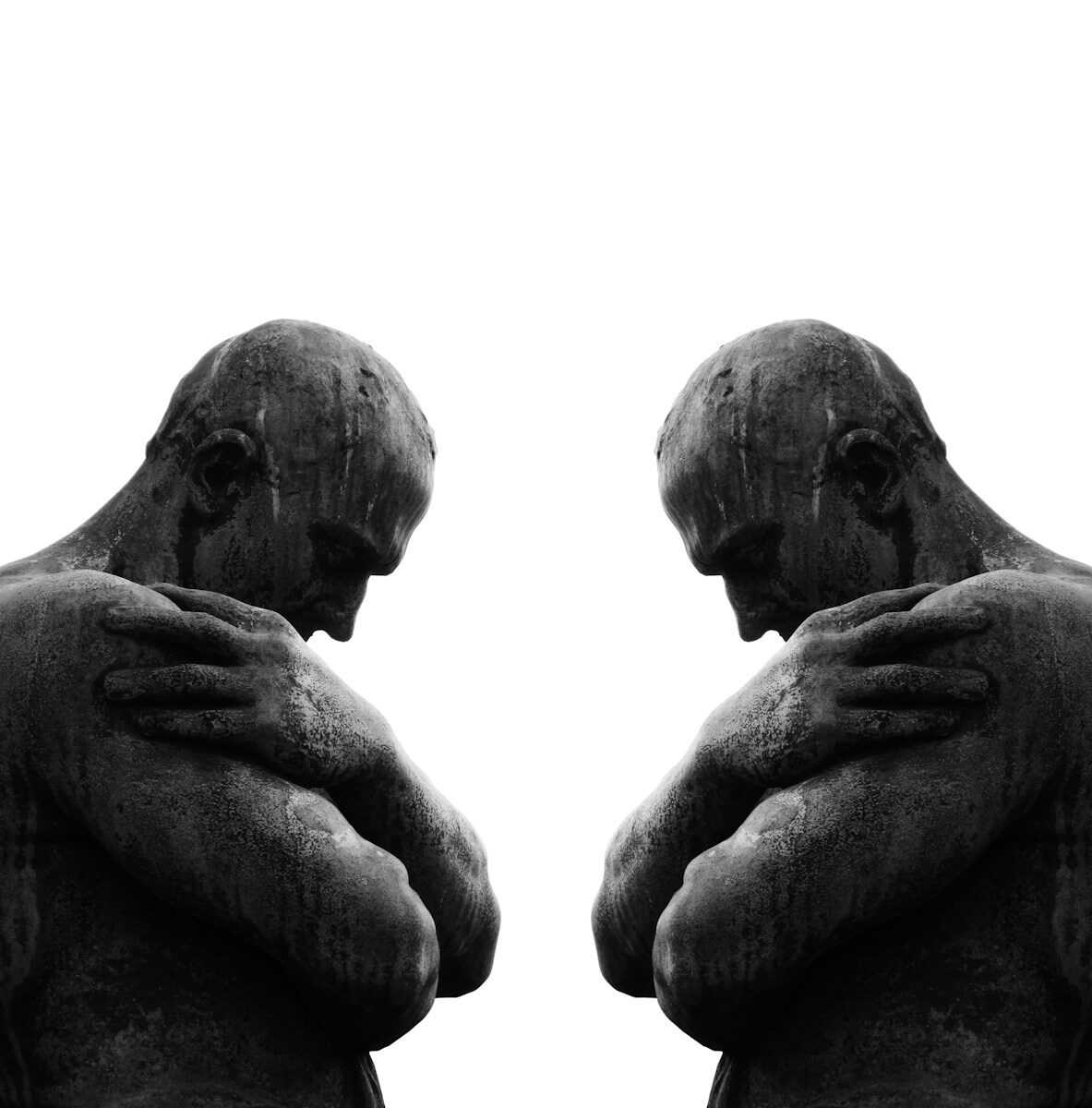
Critical thinking is the process of analyzing information objectively, identifying assumptions, evaluating evidence, and forming well-reasoned conclusions. It is arguably the most universally valued of all the types of thinking in academic and professional settings.
What It Looks Like in Practice
- Evaluating sources: Before citing a study or article, a critical thinker asks if the source is credible, if the sample size is sufficient, and if the conclusion actually follows from the data.
- Challenging your own assumptions: Critical thinking involves recognizing when your position is based on incomplete information and being willing to revise it when presented with stronger evidence.
- Identifying logical gaps: In essays, debates, or case analyses, critical thinkers spot where an argument jumps from evidence to conclusion without sufficient justification.